
Dried Mango Bars are a simple homemade snack made from dried mango and a few easy-to-find ingredients. This recipe is designed for anyone who wants a naturally sweet treat without complicated steps or baking skills. With a chewy texture and balanced flavor, Dried Mango Bars work well as a quick snack, a lunchbox addition, or a light energy boost during the day. In this guide, you will find a clear ingredient list, step by step instructions, and practical tips to help you make Dried Mango Bars successfully at home.
I. Ingredients for This Easy Dried Mango Bars Recipe
Below is a precise ingredient list for one small batch of Dried Mango Bars, yielding about 8 to 10 bars. All ingredients are easy to measure and suitable for home preparation.
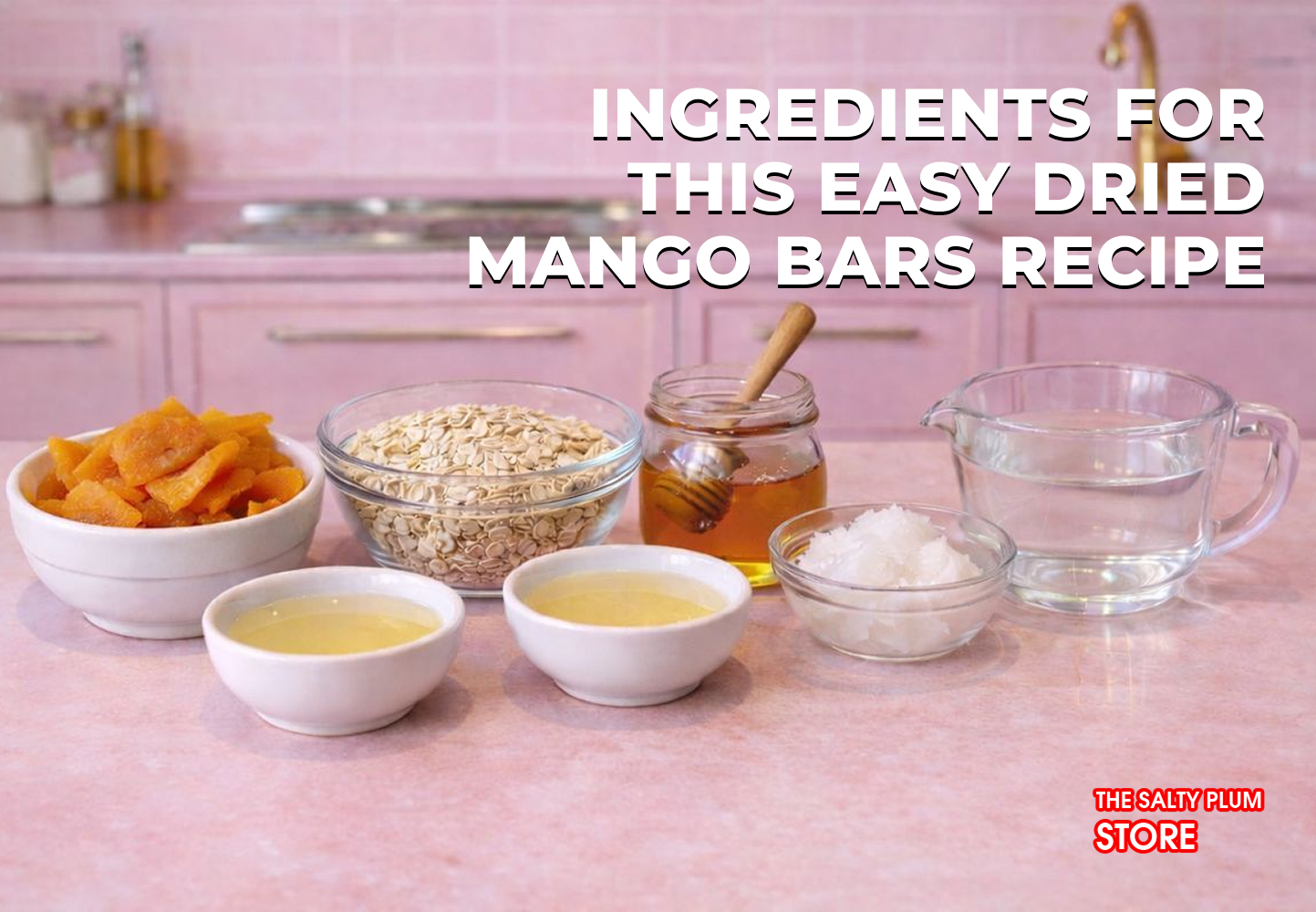
- 150 g dried mango
Choose soft, unsweetened dried mango for better blending and natural sweetness. - 60 g rolled oats
Adds structure and helps the bars hold their shape after pressing. - 2 tablespoons honey or maple syrup (about 40 g)
Provides light sweetness and helps bind the mixture. - 2 tablespoons coconut oil, melted (about 30 ml)
Helps keep the bars soft and prevents them from becoming dry. - 1 tablespoon fresh lemon juice (approximately 15 ml)
Balances the sweetness and enhances mango flavor. - 2 to 3 tablespoons water (30 to 45 ml)
Use only if needed to help the mixture blend smoothly.
This ingredient ratio creates Dried Mango Bars that are chewy, lightly sweet, and easy to cut once set.
II. How to Make Dried Mango Bars Step-by-Step
Follow the steps below to make Dried Mango Bars at home. The process is simple, requires no baking, and can be completed with basic kitchen tools.
Step 1: Prepare the dried mango
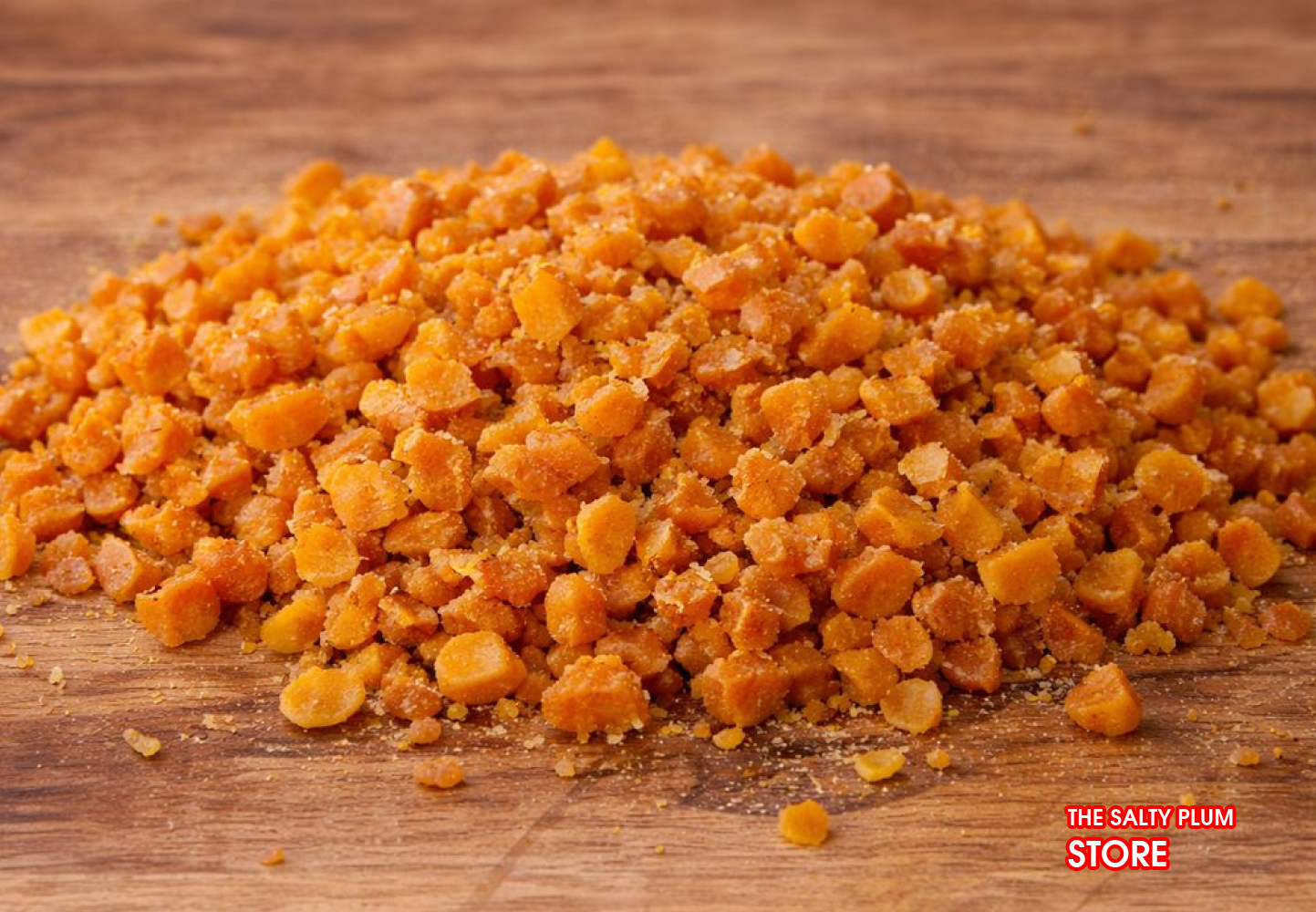
Cut the dried mango into small pieces using a knife or kitchen scissors. Smaller pieces are easier to blend and help create a smoother mixture. If the dried mango feels very firm or dry, soak it in warm water for 5 minutes. Drain well before using so the mixture does not become watery.
Step 2: Blend the dry base
Add the rolled oats to a food processor. Pulse several times until the oats break down into a coarse flour. Do not over-process, as a little texture helps the bars hold together better.
Step 3: Add the dried mango
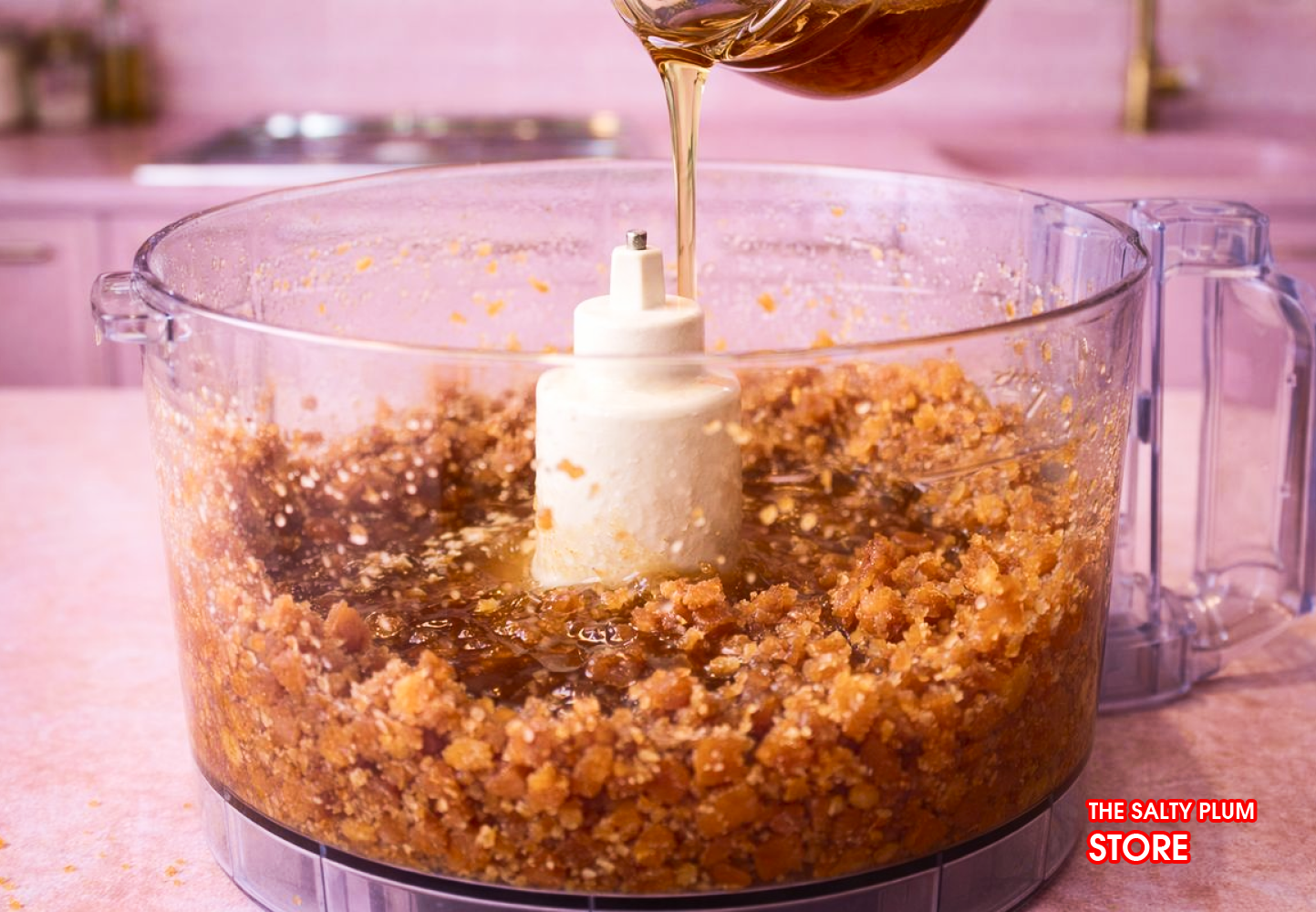
Put the chopped dried mango into the food processor with the oats. Pulse again until the mango is finely chopped and evenly mixed with the oats. The mixture should look sticky and slightly clumpy at this stage.
Step 4: Add the wet ingredients
Pour in the honey or maple syrup, melted coconut oil, and lemon juice. Process the mixture until everything is well combined. Stop and scrape down the sides of the processor if needed to ensure even mixing.
Step 5: Adjust the texture
Check the consistency by pinching a small amount between your fingers. It should hold together without crumbling. If the mixture feels too dry, add water one tablespoon at a time and pulse again. Do not add too much water at once.
Step 6: Shape the bars
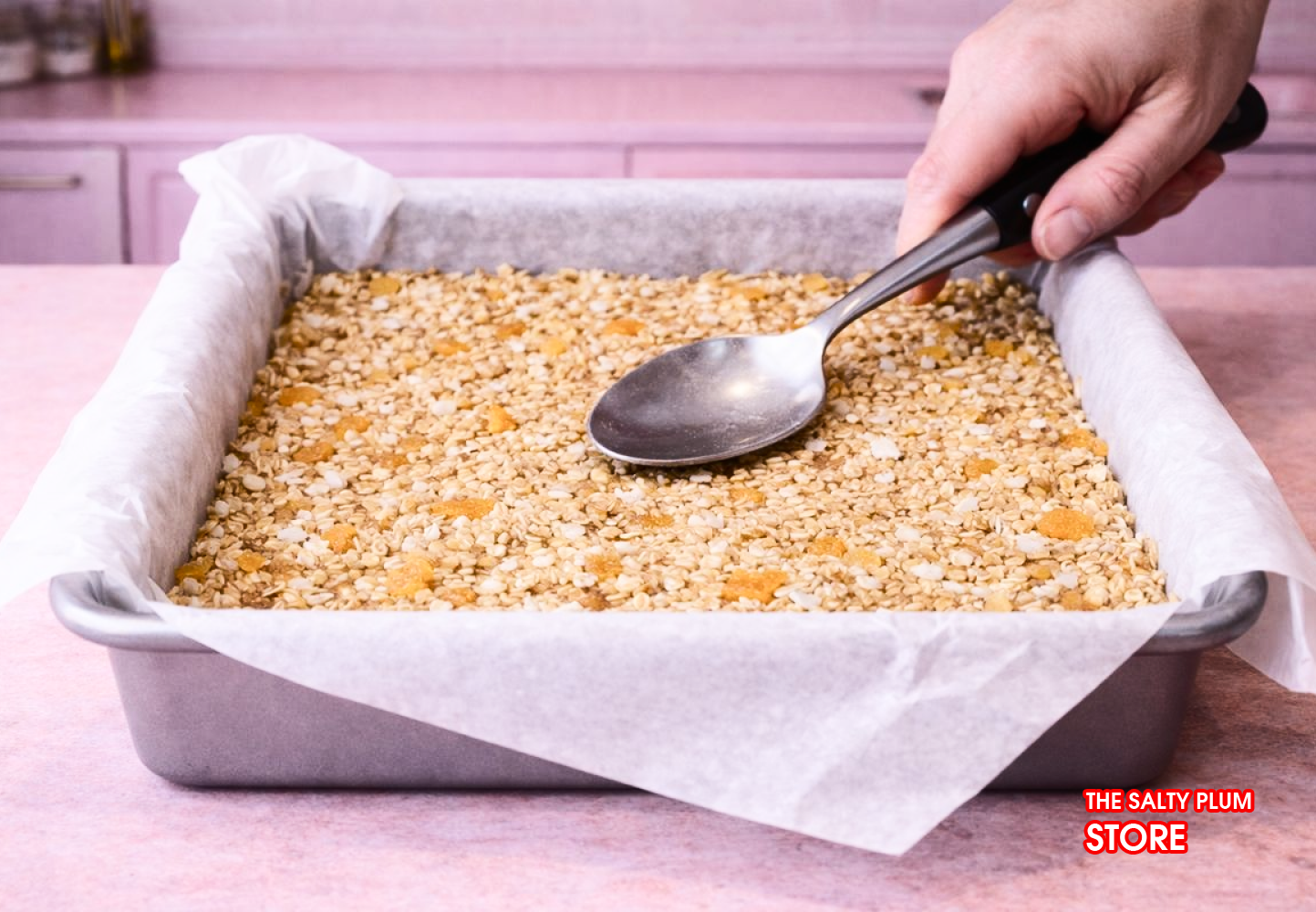
Line a small square or rectangular pan with parchment paper. Transfer the mixture into the pan and press it down firmly using the back of a spoon or your hands. Press evenly so the bars set properly and are easy to cut later.
Step 7: Chill and set
Place the pan in the refrigerator for at least 1 hour. Chilling helps the Dried Mango Bars firm up and keeps their shape when sliced.
Step 8: Cut and serve
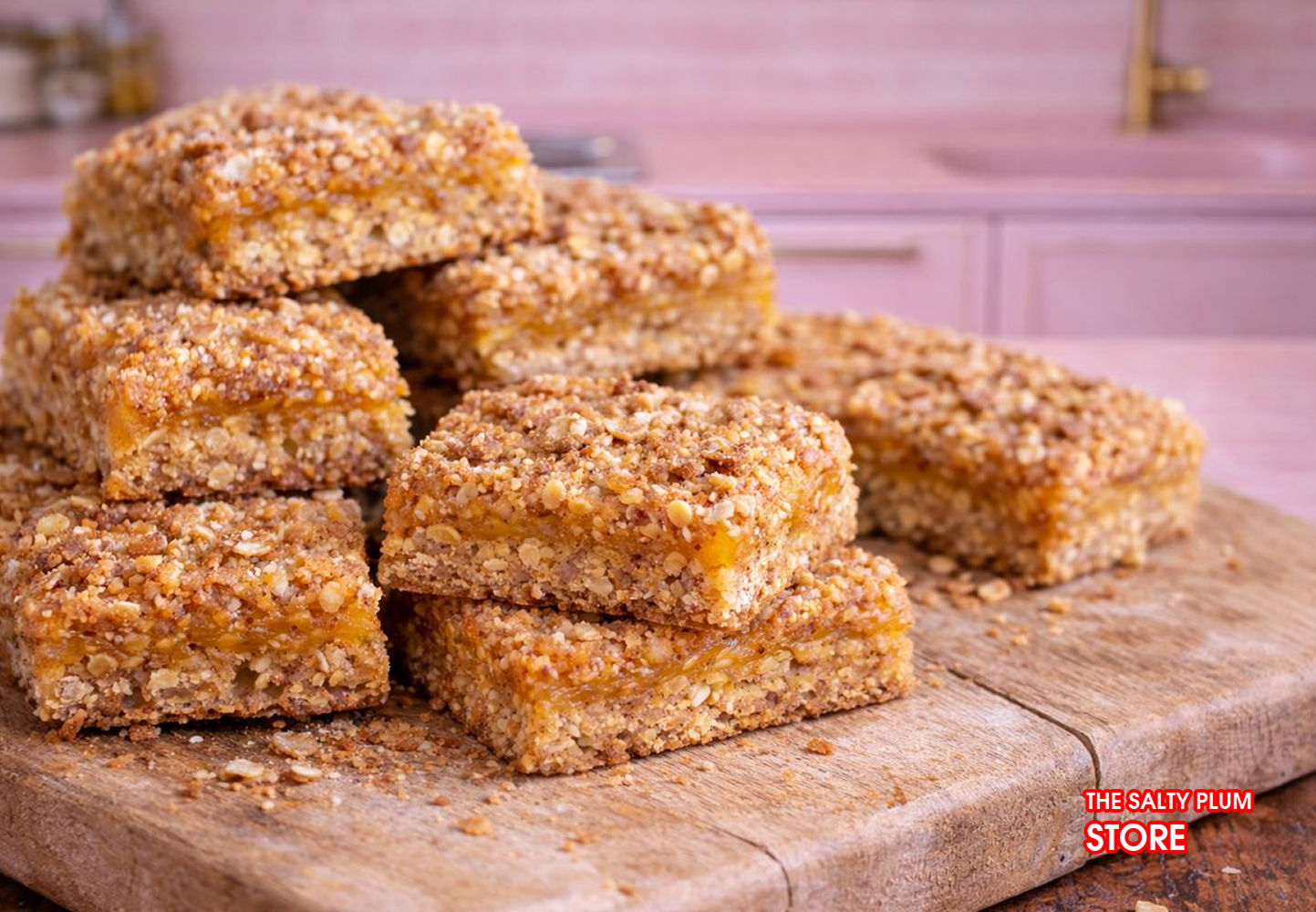
Once set, lift the mixture out using the parchment paper. Cut into bars or squares with a sharp knife. The bars are now ready to eat or store for later use.
This step-by-step method ensures Dried Mango Bars with a balanced texture, clean cuts, and consistent flavor in every piece.
III. Tips to Get Perfect Dried Mango Bars
Use the tips below to make Dried Mango Bars with the right texture, flavor, and shape every time. These are practical points that help avoid common mistakes during preparation.
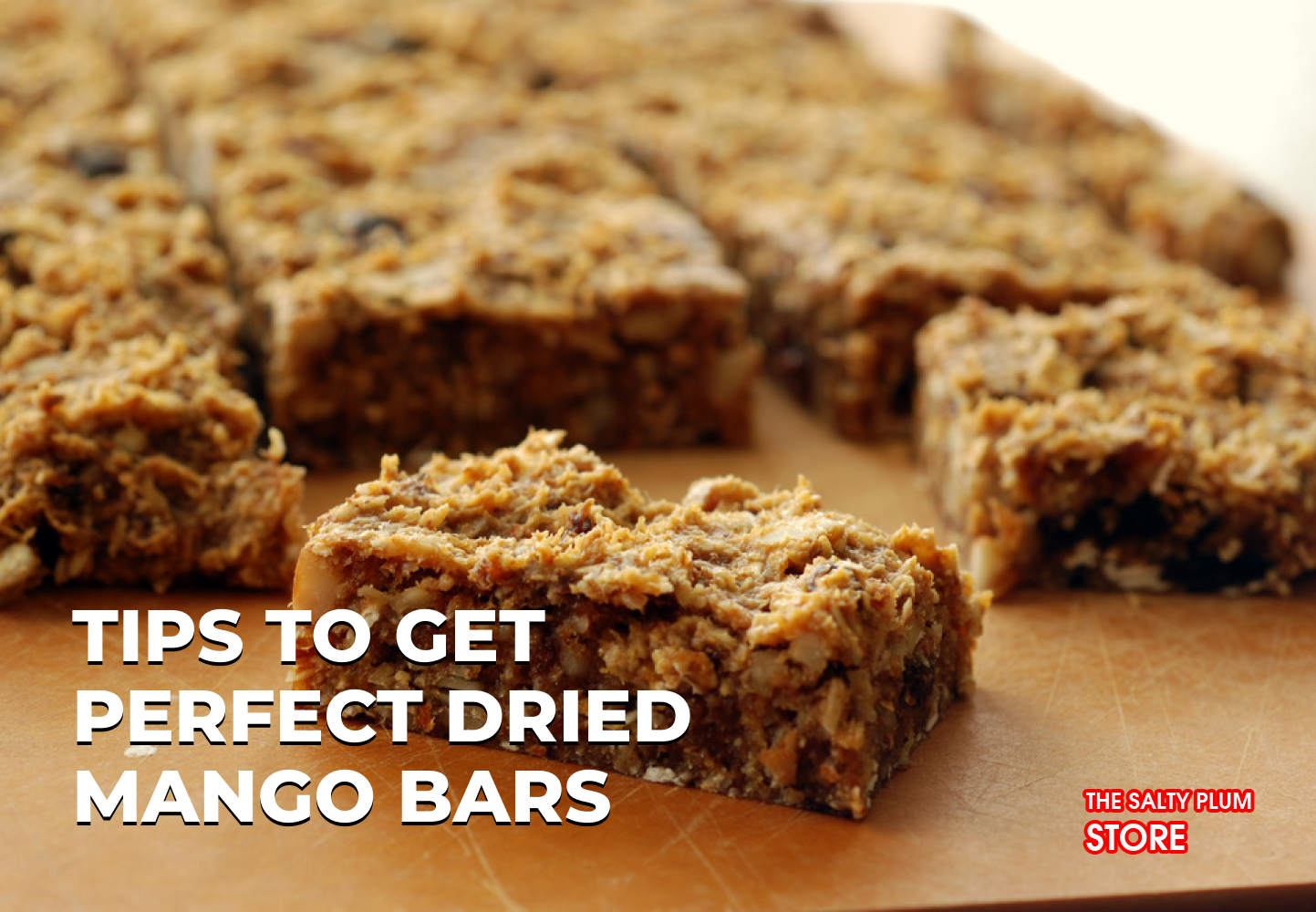
- Choose soft dried mango
Soft dried mango blends more easily and creates a smoother bar. If the mango is too dry or stiff, the mixture may turn crumbly and hard to press. - Do not over-blend the oats
Pulse the oats just until they resemble coarse flour. Over-blending can make the mixture too fine, which affects the final texture and makes the bars dense. - Add liquid gradually
When adjusting the mixture, add water one tablespoon at a time. Too much liquid will make the mixture sticky and difficult to set properly. - Press the mixture firmly
Press the mixture tightly into the pan. Firm pressure helps the bars hold together and prevents them from falling apart when sliced. - Chill long enough before cutting
Allow enough time in the refrigerator so the bars fully set. Cutting too early can cause uneven edges and broken pieces. - Use a sharp knife for clean cuts
Wipe the knife between cuts if needed. This helps maintain neat, even bars and a better overall appearance.
These simple tips help ensure your Dried Mango Bars turn out consistent, chewy, and easy to store or pack for daily snacks.
IV. How to Store Homemade Dried Mango Bars
Proper storage helps Homemade Dried Mango Bars keep their texture and flavor for longer. Follow the guidelines below based on how soon you plan to consume them.
- Store at room temperature for short term use
Place the bars in an airtight container and keep them in a cool, dry area away from direct sunlight. When stored this way, the bars stay fresh for up to 3 days. This option works well if you plan to eat them quickly. - Refrigerate for longer freshness
For extended storage, keep the bars in a sealed container in the refrigerator. Chilling helps maintain firmness and prevents excess moisture. The bars can be stored this way for up to 7 days. - Separate layers to prevent sticking
If stacking the bars, place a sheet of parchment paper between each layer. This prevents them from sticking together and keeps their shape intact. - Freeze for meal prep or bulk batches
Dried Mango Bars can be frozen for longer storage. Wrap each bar individually or place them in a freezer-safe container. They can be frozen for up to 1 month. Thaw at room temperature for about 15 to 20 minutes before eating. - Check texture before serving
After storage, especially from the fridge or freezer, allow the bars to sit for a few minutes. This helps soften the texture and improves the eating experience.
These storage methods help Homemade Dried Mango Bars remain convenient, safe to eat, and ready whenever you need a simple snack.
V. Conclusion
This Dried Mango Bars recipe is a practical option for anyone looking to make a simple homemade snack with minimal ingredients and clear steps. With natural sweetness from dried mango and an easy no bake process, these bars fit well into daily routines, from quick snacks to light energy boosts.
Once you are comfortable with the recipe, you can adjust the texture or sweetness to match your taste while keeping the same basic method. Using good quality ingredients makes a noticeable difference, especially when dried mango is the main component. If you want reliable results, you can source high quality Dried mango products from The Salty Plum Store, which are suitable for both snacking and homemade recipes like these bars.